The Future of Storage Tank Manufacturing: Fads and Technologies to Enjoy
The storage tank manufacturing industry is on the cusp of a crucial development, driven by emerging fads in wise products, automation, and sustainability. As markets increasingly focus on environmental duty, developments such as environment-friendly composites and IoT-driven monitoring systems are reshaping functional paradigms. Additionally, the growing need for customization and modular layouts suggests a shift in the direction of more versatile production methods. Recognizing these patterns not just highlights the challenges in advance but also reveals possibilities that can redefine the landscape of storage tank manufacturing in the coming years. What effects might these innovations hold for sector stakeholders?
Innovations in Smart Products
In the last few years, the storage tank manufacturing field has actually witnessed a significant uptick in the fostering of clever materials, reinventing design and capability. Smart products, which can react dynamically to environmental changes, have actually enabled manufacturers to produce tanks that are not just much more durable yet likewise more effective in their functional capacities.
One significant innovation is the assimilation of shape memory alloys and polymers that can adjust to differing stress and temperature levels. This flexibility boosts the structural integrity of tanks, minimizing the threat of leakages and failings (Texas Oil & Gas Storage Tank Fabrication Authority). In addition, these materials commonly exhibit self-healing residential or commercial properties, which further extends the life-span of storage containers, decreasing maintenance expenses and boosting safety
Additionally, the consolidation of sensing units within wise products allows for real-time monitoring of tank conditions, supplying critical data that assists in anticipating upkeep and threat management. This data-driven strategy not just boosts functional efficiency however likewise straightens with ecological sustainability goals by optimizing resource usage and stopping spills.
Surge of Automation Technologies
The increase of automation technologies is changing storage tank production by integrating robotics into manufacturing procedures, enhancing effectiveness and accuracy. In addition, the deployment of wise sensing units allows real-time monitoring, ensuring quality assurance and security criteria are satisfied. AI-driven procedure optimization additionally enhances procedures, reducing prices and enhancing overall performance in the market.
Robotics Integration in Manufacturing
Robotics assimilation is reinventing the manufacturing landscape, specifically in the storage tank market. As manufacturers endeavor for boosted efficiency and accuracy, robotics modern technologies are ending up being vital tools for improving manufacturing processes. Automated systems can executing recurring tasks with better speed and precision than human labor, minimizing the possibility of errors and enhancing total item high quality.
Among the essential benefits of robot integration is the capability to maximize workflows. Automated robotic arms can manage hefty materials, weld parts, and carry out assessments, which reduces physical stress on employees and decreases downtime. This change not just improves security however additionally allows human workers to concentrate on even more facility and value-added jobs.
Robotics can facilitate versatile production, enabling business to adapt swiftly to transforming market demands. Advanced programming allows robotics to conveniently switch in between different tasks and items, which is particularly advantageous in a market where modification is increasingly desired
As robotics innovation proceeds to progress, manufacturers can anticipate boosted capacities, consisting of boosted equipment finding out formulas and enhanced truth applications, even more driving efficiency in storage tank production and establishing brand-new criteria for the market.
Smart Sensors Deployment

In addition, the data gathered from these sensing units can be leveraged to enhance the supply chain, making sure that materials are available when required while reducing waste. This level of understanding allows manufacturers to react promptly to transforming conditions and consumer demands, enhancing overall performance.
In addition, clever sensing units add to enhanced regulative compliance by continuously monitoring ecological elements and guaranteeing adherence to safety and security standards. As the sector advances towards even more sustainable techniques, the capability to monitor emissions and resource consumption in real-time is very useful.
AI-Driven Process Optimization
Manufacturers in the storage tank sector are significantly using the power of AI-driven process optimization to improve functional effectiveness and decision-making capabilities. By incorporating advanced formulas and device understanding techniques, business can evaluate huge quantities of information created throughout the production process. This data-driven method allows real-time monitoring of production metrics, bring about more enlightened decisions and prompt treatments.
AI technologies assist in predictive upkeep, enabling manufacturers to anticipate tools failings before they happen, thus decreasing downtime and upkeep costs. Furthermore, these systems can enhance resource allotment by evaluating production patterns and adjusting operations, guaranteeing that materials and labor are used effectively.
Additionally, AI-driven optimization boosts high quality control by determining prospective problems during the manufacturing process. Automated inspections powered by AI can quickly spot variances, making sure that just products meeting strict top quality criteria advance through the manufacturing line.
As the storage tank market remains to welcome automation, AI-driven process optimization attracts attention as a transformative force, driving innovation and competition. By leveraging these technologies, manufacturers can not just streamline procedures yet likewise adjust quickly to market needs, placing themselves for sustainable growth in a significantly complicated production landscape.
Concentrate On Sustainability Practices
As the storage tank manufacturing field develops, a substantial emphasis is put on sustainability practices. This includes the fostering of environmentally friendly products, the implementation of energy-efficient production processes, and the assimilation of circular economic climate concepts. By prioritizing these campaigns, manufacturers not only decrease their ecological impact yet also boost the durability and efficiency of their products.
Eco-friendly Materials Adoption
Significantly, the storage tank manufacturing industry is accepting green products as a fundamental aspect of sustainability methods. This change is driven by heightened environmental recognition and regulatory pressures, prompting manufacturers to seek alternatives that lessen eco-friendly influence.
Eco-friendly composites and recycled steels are getting grip, offering both efficiency and reduced carbon impacts. For circumstances, using high-recycled-content steel not only lowers the demand for virgin products however likewise improves the overall sustainability of the product lifecycle. Furthermore, manufacturers are discovering bio-based resins that provide toughness while being less unsafe to the setting.
Furthermore, the adoption of environment-friendly finishings and coatings, which are devoid of volatile natural substances (VOCs), mirrors the market's commitment to reducing air contamination and promoting much healthier working problems. These technologies not just align with international sustainability objectives however additionally meet the growing market need for greener items.
The integration of environment-friendly materials in storage tank manufacturing is not just a trend; it represents a positive approach towards responsible production that prioritizes both environmental stewardship and economic stability, establishing a brand-new standard for future growths in the market.
Energy-efficient Manufacturing Processes
There is a growing recognition within the storage tank manufacturing market of the value of energy-efficient processes as an essential part of sustainable techniques. As the sector deals with boosting pressure to lower its carbon impact, manufacturers are executing ingenious innovations and methods targeted at reducing energy consumption throughout the manufacturing cycle.
One significant fad is the adoption of innovative production strategies such as lean manufacturing and automation. These approaches simplify procedures, minimize waste, and enhance performance, while likewise decreasing energy use. In addition, the assimilation of renewable resource resources, such as solar and wind power, into manufacturing centers is coming to be much more prevalent, enabling business to run sustainably and lower dependancy on nonrenewable fuel sources.
In addition, energy-efficient machinery and devices are being prioritized in new investments, as manufacturers look for to enhance their energy usage. Making use of energy administration systems enables real-time surveillance and analysis, assisting in continuous improvement in power efficiency.
Round Economic Situation Integration
A notable shift in the direction of circular economy combination is changing sustainability methods within the storage tank manufacturing sector. This strategy stresses the significance of resource effectiveness, waste decrease, and the recycling of materials throughout the manufacturing lifecycle. By adopting round principles, manufacturers are significantly concentrated on creating storage tanks that prioritize long life, recyclability, and repairability.
As part of this change, companies are discovering ingenious products and production methods that minimize environmental effect. The incorporation of recycled metals and plastics not only minimizes the demand for virgin sources but likewise lowers carbon discharges related to removal and handling. Additionally, manufacturers are carrying out take-back plans that assist in the repair and recycling of end-of-life storage tanks, consequently shutting the loop in the manufacturing cycle.
Collaboration amongst stakeholders, including vendors and consumers, is crucial for cultivating a round economy (Oil & Gas Storage Tank Fabrication). This partnership makes it possible for the sharing of ideal techniques and urges the development of lasting supply chains. Ultimately, incorporating circular economic climate principles into storage tank manufacturing not just boosts environmental stewardship however additionally positions firms to satisfy progressing regulatory requirements and customer expectations for sustainability
Enhanced Safety Methods
In today's manufacturing landscape, enhanced safety methods have actually become important for storage tank manufacturers. The industry deals with raising governing scrutiny and demands for higher safety and security criteria because of the potential risks associated with the storage space of dangerous materials. As a result, manufacturers are taking on a diverse approach to enhance precaution throughout the production process.
One significant advancement is the application of innovative danger assessment tools that recognize potential dangers throughout the design and production phases. These devices assist in proactive actions to minimize dangers prior to they rise right into important concerns. In addition, manufacturers are investing in employee training programs that emphasize safety methods, guaranteeing that all employees are skilled in emergency situation procedures and tools handling.
Additionally, there is an expanding focus on using premium products and cutting-edge layouts that boost architectural integrity and decrease the chance of failures or leaks. Regular maintenance checks and rigorous screening methods are additionally being incorporated right into the manufacturing lifecycle to assure conformity with safety and security laws.
Assimilation of IoT Solutions
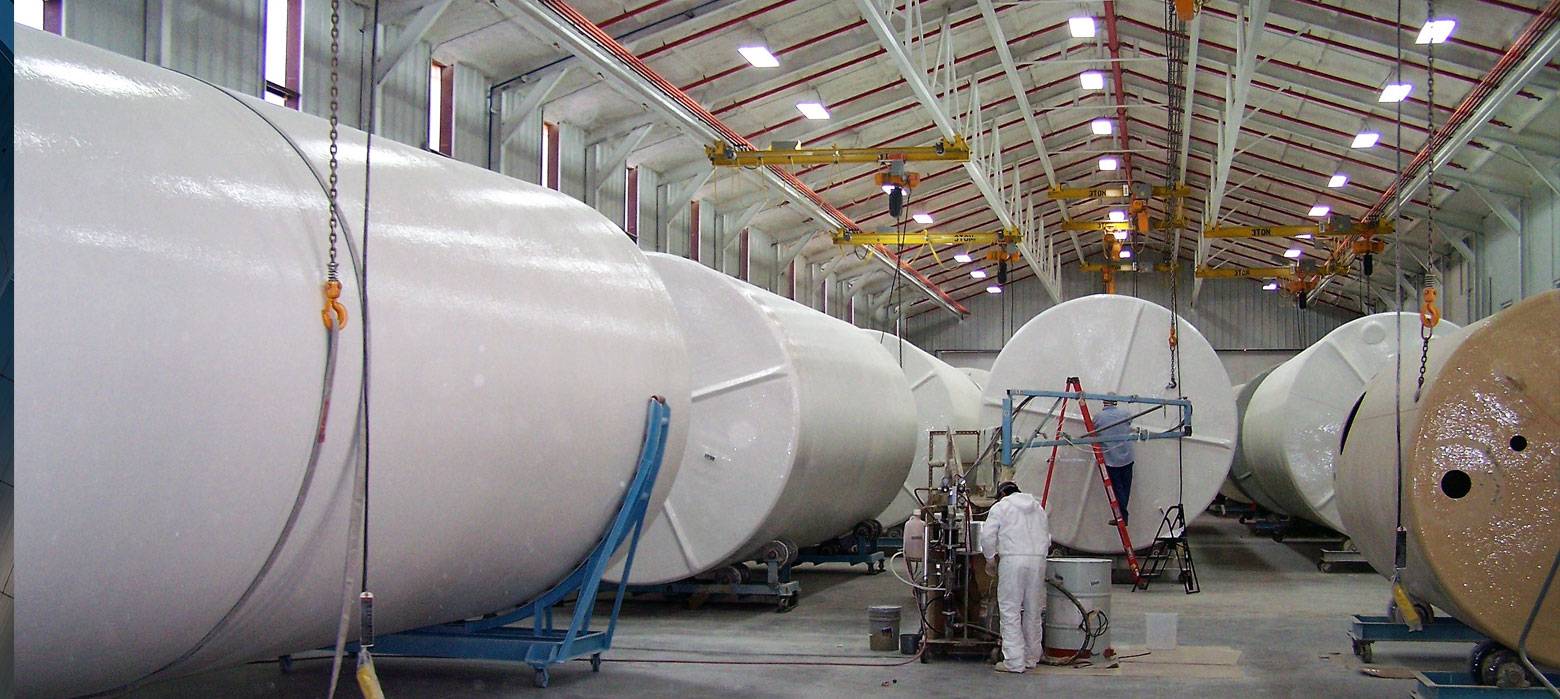
Moreover, IoT devices help with predictive maintenance, which lessens downtime and expands the lifespan of tank. By evaluating data collected from sensing units, manufacturers can carry out and visualize prospective failures maintenance tasks prior to essential concerns develop. This proactive strategy not just saves prices however also assures compliance with safety guidelines.
Furthermore, IoT integration sustains better supply administration by offering accurate, real-time information on stored products. Texas Oilfield Storage Tank Company. This capability helps manufacturers optimize their supply chains, guaranteeing that required resources are available when required, therefore boosting general efficiency
The implementation of IoT solutions makes it possible for enhanced interaction in between containers and central management systems, simplifying operations. As the storage tank manufacturing sector remains to embrace IoT modern technologies, we can anticipate considerable improvements in safety methods and operational efficiencies, inevitably causing more resistant manufacturing techniques.
Personalization and Modular Design
Flexibility in layout has actually ended up being a foundation of modern-day storage tank production as customization and modular design options gain traction. The evolving needs of markets such as oil and gas, chemicals, and water administration necessitate customized options that fit details operational needs. Customization allows manufacturers to develop tanks that meet special requirements relating to dimension, functionality, form, and product, making sure peak efficiency and performance.
Modular layout, on the various other hand, permits the setting up of pre-fabricated components, resulting in significant time and cost savings. This technique promotes quick deployment and scalability, allowing services to adjust their storage space capacities in reaction to fluctuating demand. Furthermore, modular systems can be conveniently increased or reconfigured, reducing downtime and improving operational versatility.
The assimilation of innovative production modern technologies, such as 3D printing and computer-aided design (CAD), further boosts customization opportunities. These innovations make it possible for specific design and rapid prototyping, permitting fast modifications and versions during the layout process.
Regulative Changes and Compliance
Regulatory adjustments and compliance requirements frequently shape the landscape of storage tank production, engaging manufacturers to continue to be adaptable and alert. With boosting ecological worries and the push for sustainable methods, regulatory bodies are executing stricter guidelines concerning emissions, materials, and safety standards. For example, the united state Environmental Protection Company (EPA) and numerous state agencies are modifying regulations that regulate the style and installation of tank, particularly those utilized for hazardous materials.
Manufacturers should not only abide by existing guidelines but additionally expect future changes, demanding continuous investment in study and development. This consists of embracing cutting-edge materials and technologies that enhance container stability and environmental security. Additionally, conformity with policies such as the Spill Prevention, Control, and Countermeasure (SPCC) rule is critical for manufacturers to stay clear of lawful obligations and hefty penalties.
Additionally, the combination of electronic technologies assists in conformity monitoring and reporting, allowing manufacturers to preserve openness and efficiency. As policies continue to advance, remaining informed and proactive is essential for storage tank manufacturers to ensure compliance, secure public health, and shield the atmosphere, eventually shaping a much more lasting sector.
Regularly Asked Inquiries

What Are one of the most Common Materials Used in Storage Tank Manufacturing?
The most common materials utilized in storage tank production consist of carbon steel, stainless steel, and fiberglass. Each material provides distinctive benefits, such as toughness, deterioration resistance, and adaptability to various storage requirements and environmental conditions.
Exactly How Do Storage Space Tanks Effect Local Ecosystems During Setup?
Storage space storage tank installation can interrupt neighborhood ecological communities by modifying land use, influencing water drain patterns, and potentially presenting contaminants. Proper website evaluations and environmental monitoring methods are important to alleviate these effects and protect biodiversity.
What Is the Ordinary Lifespan of a Modern Storage Tank?
The average lifespan of a contemporary storage tank typically ranges from 20 to thirty years. Aspects such as worldly high quality, environmental problems, and maintenance techniques substantially affect long life and total efficiency throughout their functional life-span.
Exactly How Do Manufacturers Guarantee Quality Control in Production?
Manufacturers ensure quality assurance through rigorous testing procedures, adherence to industry criteria, and continuous tracking during manufacturing (Oil & Gas Storage Tank Fabrication). Advanced modern technologies such as automation and real-time data evaluation even more boost consistency and reliability in storage tank production processes
What Are the Expenses Connected With Maintaining Tank?
Maintaining storage tanks entails various expenses, including routine assessments, repair work, regulatory conformity, deterioration prevention, and prospective environmental removal. These expenses can greatly affect general operational budgets and necessitate aggressive administration to assure long-lasting effectiveness and safety.
As manufacturers increasingly embrace automation innovations, the implementation of wise sensors is becoming a critical aspect of modern manufacturing procedures in the storage space tank market. Manufacturers in the storage tank industry are increasingly taking advantage of the power of AI-driven procedure optimization to enhance functional performance and decision-making capabilities. Increasingly, the storage tank production industry is accepting green products as an essential aspect of sustainability techniques. In today's production landscape, enhanced safety and security procedures have come to be important for storage container manufacturers. Regulatory adjustments and compliance requirements regularly shape the landscape of pop over here storage space tank production, compelling manufacturers to continue to be watchful and adaptable.
Comments on “The rise of automation in Oil & Gas Storage Tank Fabrication”